Dramatic Fireball in Baltimore Harbor: Cargo Ship Explodes Near Key Bridge Site
Incident Overview
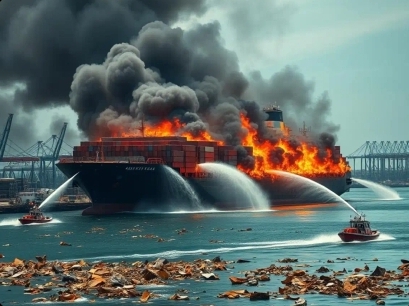
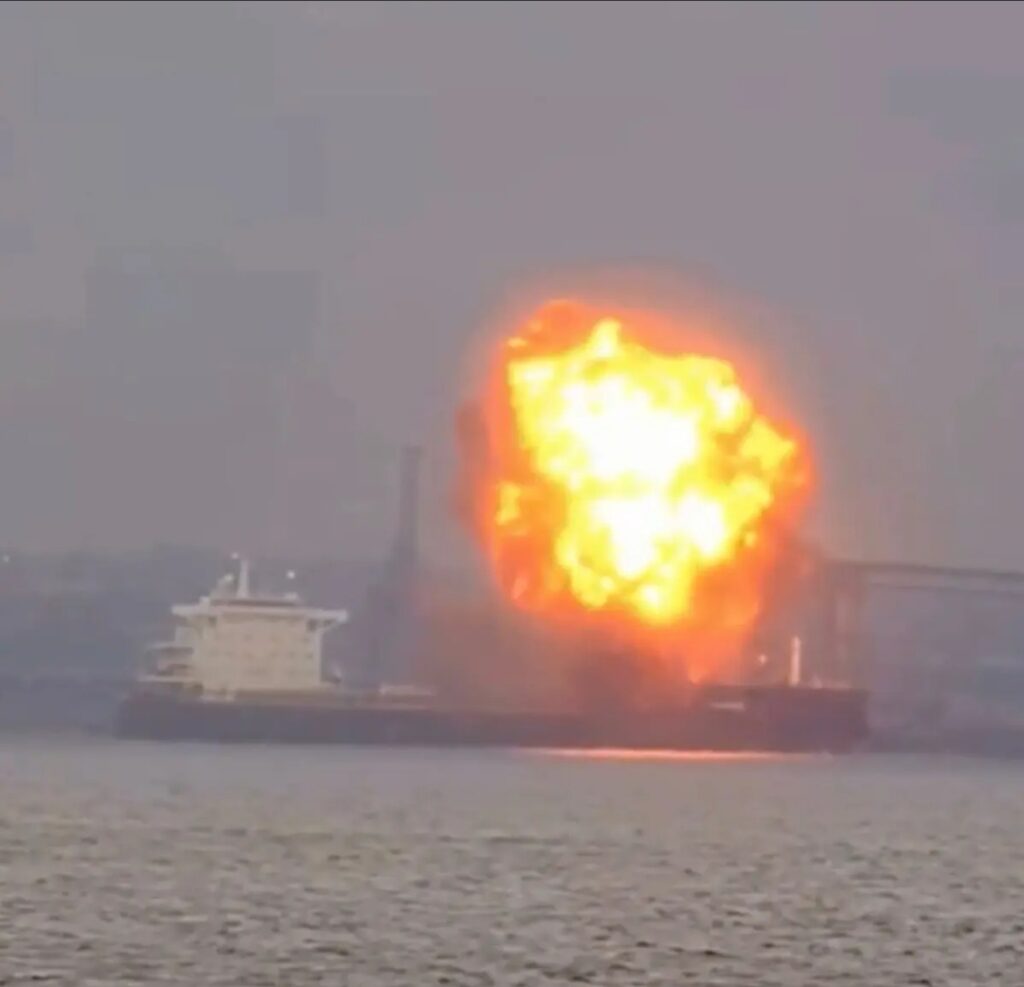
On the evening of August 18, 2025, a massive explosion and fire erupted aboard the MV W-Sapphire, a Liberian-flagged 751-foot bulk carrier loaded with coal, as it departed Baltimore Harbor near the historic Francis Scott Key Bridge collapse site . Videography captured a horrifying fireball piercing the sky, followed by plumes of thick, black smoke spreading across the Patapsco River .
Response from Authorities
Swift and coordinated efforts by the Baltimore City Fire Department, fireboats, tugboats, and the U.S. Coast Guard helped contain the blaze and prevent further escalation . The vessel remained afloat and was carefully guided to a safe anchorage for stabilization and detailed inspection ⎼ ensuring navigational channels stayed clear .
Human Impact & Safety Report
All 23 people aboard the vessel, including two pilots, were accounted for and reported uninjured—a critical relief amid the chaos . Authorities confirmed no injuries or property damage beyond the ship itself and reaffirmed that there were no signs of environmental contamination at this stage .
Eyewitness Perspective
Witnesses onboard nearby boats were stunned by the sudden blast. One bystander recounted:
“We heard a really loud explosion… turned around, and there was a 200-foot plume of smoke… Mayday, mayday.”
Their sudden shift from calm sailing to chaotic emergency provides a vivid human lens on the unfolding event.
Strategic Location & Context
This dramatic incident occurred near the six-worker-fatal Key Bridge collapse site of March 2024—its memory still fresh in Baltimore’s collective consciousness . Despite the tense location, the latest event has not disrupted harbor operations and is currently classified as a contained maritime emergency.
What Comes Next?
Investigation underway: Authorities are probing the blast’s cause—whether it originated from the forward cargo hold or was sparked by mechanical failure .
Safety assessments: The vessel will remain at its anchorage until fully inspected and cleared by the Coast Guard.
Operational resilience: This incident underscores the importance of emergency preparedness in busy port facilities—especially in sensitive zones with history.
Quick Overview: What You Need to Know
Aspect Details
Vessel MV W-Sapphire—Libyan bulk carrier, coal cargo, 751 ft Location Baltimore Harbor, near the collapsed Key Bridge site Incident Fire and explosion aboard the vessel’s forward cargo hold Response Rapid action by fireboats, Coast Guard, tugboats; vessel towed to anchorage Casualties None—23 people on board safe and accounted for Damage Confined to the ship itself; no environmental or infrastructural impact reported Next Steps Ongoing investigation; vessel held pending inspection
Why This Incident Matters
Safety First: Celebrating the avoidance of injuries while acknowledging the high-risk environment of maritime operations.
Community Impact: Occurring near a site still symbolizing tragedy, the incident echoes the importance of structural and procedural safety in Baltimore’s port.
Media & Public Awareness: Dramatic visuals and first-person accounts bring awareness to the human and logistical stakes in such emergencies.
Sam Hartman: From Record-Setting College QB to Gritty NFL Prospect
Early Roots and High School Stardom
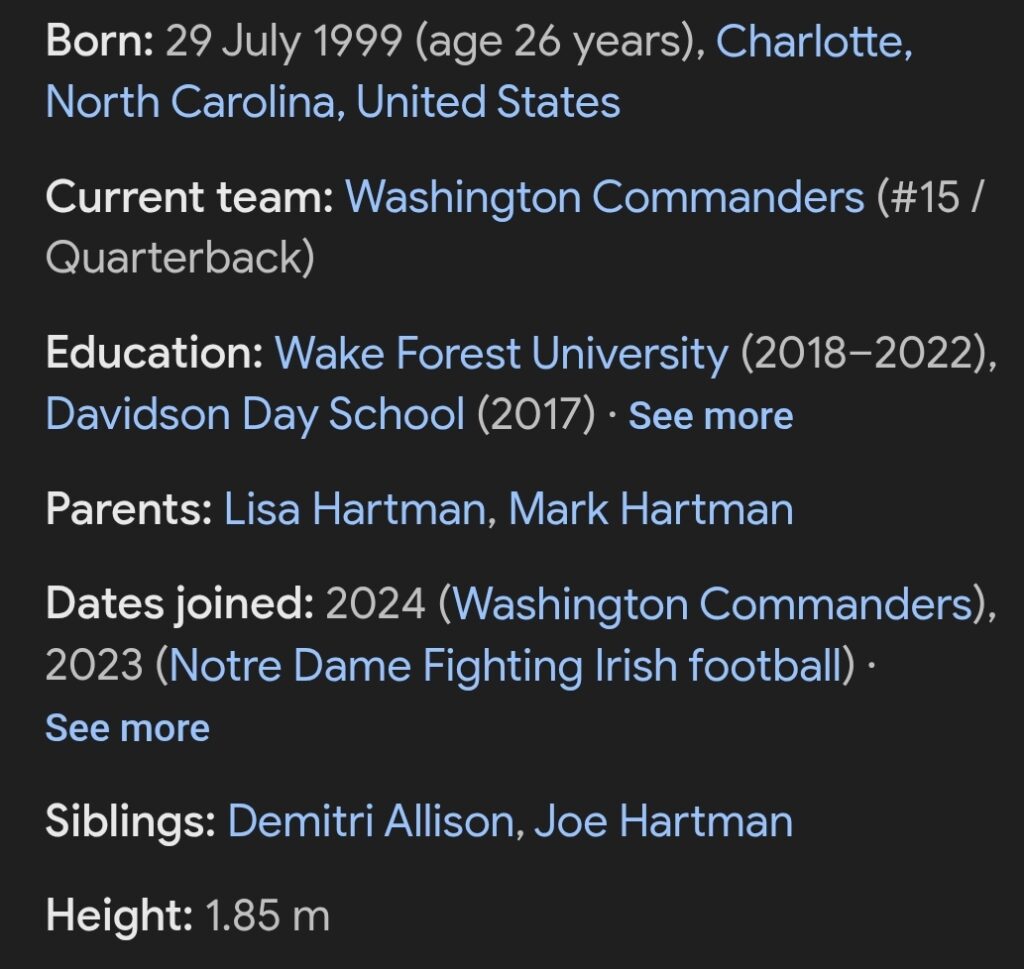
Born on July 29, 1999, in Charlotte, North Carolina, Sam Hartman showed promise early. At Davidson Day School, he threw for over 6,300 yards and 69 touchdowns as just a sophomore and junior, earning first-team all-state honors and multiple Player of the Week distinctions before moving to Oceanside Collegiate Academy for his senior year .
Record-Breaking Wake Forest Career
Hartman’s college career at Wake Forest was nothing short of legendary. Over five seasons (2018–2022), he became the school’s all-time leader in passing yards and touchdowns and the ACC’s all-time passing touchdowns leader, finishing with 12,967 yards and 110 passing TDs .
He capped his Wake Forest journey with an MVP-worthy performance in the Gasparilla Bowl and earned multiple accolades, including All-ACC honors, Brian Piccolo Award, and recognition as a finalist for both the Manning Award and Johnny Unitas Golden Arm Award .
A Season at Notre Dame & Pro-Style Development
In 2023, Hartman transferred to Notre Dame, embracing a pro-style offense that would prepare him for the next level. He thrived in the system—completing 63.5% of his passes for 2,689 yards, tallying 24 passing touchdowns and 3 rushing scores .
His senior year also saw him stepping into a leadership role—nicknamed the locker room “grandpa,” he shared his experience and maturity with younger teammates . A minor viral moment came when he shaved off his signature beard, much to fans’ surprise .
Journey to the NFL: Undrafted but Unflappable
Despite an impressive collegiate resume, Hartman went undrafted in 2024 but quickly found a path forward with the Washington Commanders as a free agent . He signed a reserve/future contract in early 2025, proving his perseverance and readiness .
Preseason and Pro Potential
In the 2025 preseason, Hartman got a glimpse of NFL action. In a game against the Patriots, he completed 9 of 19 passes, totaling 64 yards, with one interception and a single rushing attempt for 6 yards .
The Support Behind the Player
Hartman’s career is grounded in strong family support. His parents, Lisa and Mark Hartman, played vital roles—his father a former college football player turned surgeon, his mother a devoted advocate for mental health. They helped him through challenging times, including serious medical issues, and shaped his resilience . The family endured the profound loss of their adopted son, Demitri, which Hartman still honors, carrying Demitri’s initials “D.A.” on his wristband and wearing his number 10 .
Summary: Hartman’s Legacy and Path Forward
Aspect
Highlight
Early Talent
High school success with exceptional stats
Wake Forest Glory
All-time leader in passing, ACC touchdowns record
Notre Dame Transition
Developed pro-style readiness and leadership
NFL Journey
Undrafted but signed with Commanders; preseason experience
Strong Foundation
Backed by supportive family and personal resilience
Why Hartman Matters: His trajectory is a testament to grit, adaptability, and leadership—overcoming delays and continuing to push forward. College fans remember him for breaking records and guiding teams; now, NFL fans are watching as he fights for his place on the professional gridiron.
MSNBC Is Becoming MS NOW: A Bold Step Toward Independence
Introduction: A Landmark Rebrand in Cable News
This year marks a pivotal shift for MSNBC as it officially renames itself MS NOW—short for My Source for News, Opinion, and the World. The change signals its strategic separation from NBC News and formal alignment with Comcast’s newly created media group, Versant .
Why the Switch? Establishing a Clear Identity
Under the umbrella of Versant, which also includes networks like Oxygen and the Golf Channel, MS NOW will chart its own path—distinct from the peacock-adorned identity of its former sibling, NBC News. Dropping the iconic NBC “peacock” logo underscores this intentional identity shift .
Versant CEO Mark Lazarus emphasized the importance of reducing brand confusion, especially given MSNBC’s blend of straight news and opinion programming, which often diverged from NBC News’ more traditional reporting style .
An Emotional but Purposeful Transition
Rebecca Kutler, president of MSNBC, acknowledged the emotional weight of this change, noting how integral the MSNBC name was to employees’ identities over the years. Still, she stressed that this decision—though difficult—is a deliberate move toward independence and the creation of a standalone news operation .
What Will Stay the Same
While the name and logo are changing, your favorite programs and journalists aren’t going anywhere. Rachel Maddow, one of the network’s most recognizable anchors, praised the rebrand for giving editorial staff greater autonomy to “apply our own instincts… to get what we need from reporters and correspondents” .
Behind the Scenes: Versant and the Broader Shift
Versant—formerly known internally as “SpinCo”—was officially unveiled in May 2025 as the new custodian for several of Comcast’s cable and digital properties, including MS NOW . The spin-off aligns with a broader trend toward media nimbleness and brand diversification.
What’s Next? Marketing, Hiring, and Audience Engagement
A major marketing campaign is slated to accompany the name change, designed to ensure audiences embrace MS NOW before the end of 2025 .
On the operations front, the network has been expanding its reporting infrastructure—including a dedicated Washington bureau—inside its evolving independent newsroom .
Looking Ahead: A Fresh Identity in Media’s New Era
As MS NOW, the network steps into a future where it can sharpen its editorial voice free from NBC News connotations. Built on decades of trust, but driven by a bold new brand direction, MS NOW represents the next stage in the evolution of cable journalism.
SEO-Ready Highlights
Feature Why It Works SEO-Wise
Keyword Inclusion “MSNOW,” “MSNBC rebrand,” “Versant,” “NBC News split” Clear Structure Subheads and bullet points improve readability and ranking potential Authority & Citations Quotes from executives (Lazarus, Kutler) amplify credibility Narrative & Context Explains the why, what, and how—as search algorithms favor complete stories Call to Action (CTA) “What’s Next?” invites further reader engagement
“Tennessee Hiker Fatally Bitten After Picking Up Rare Timber Rattlesnake”
A Fatal Moment in Savage Gulf State Park
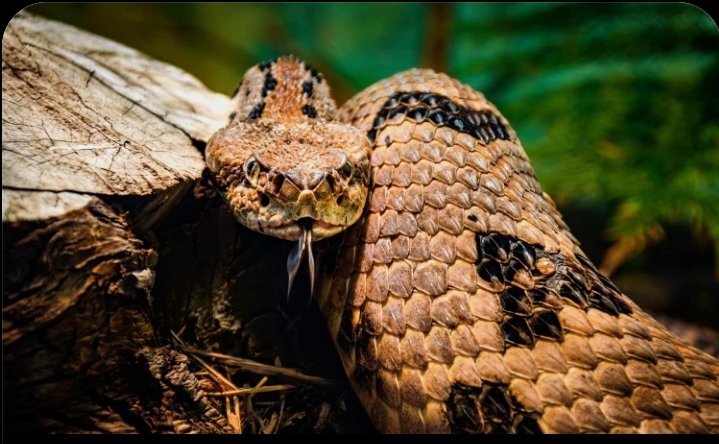
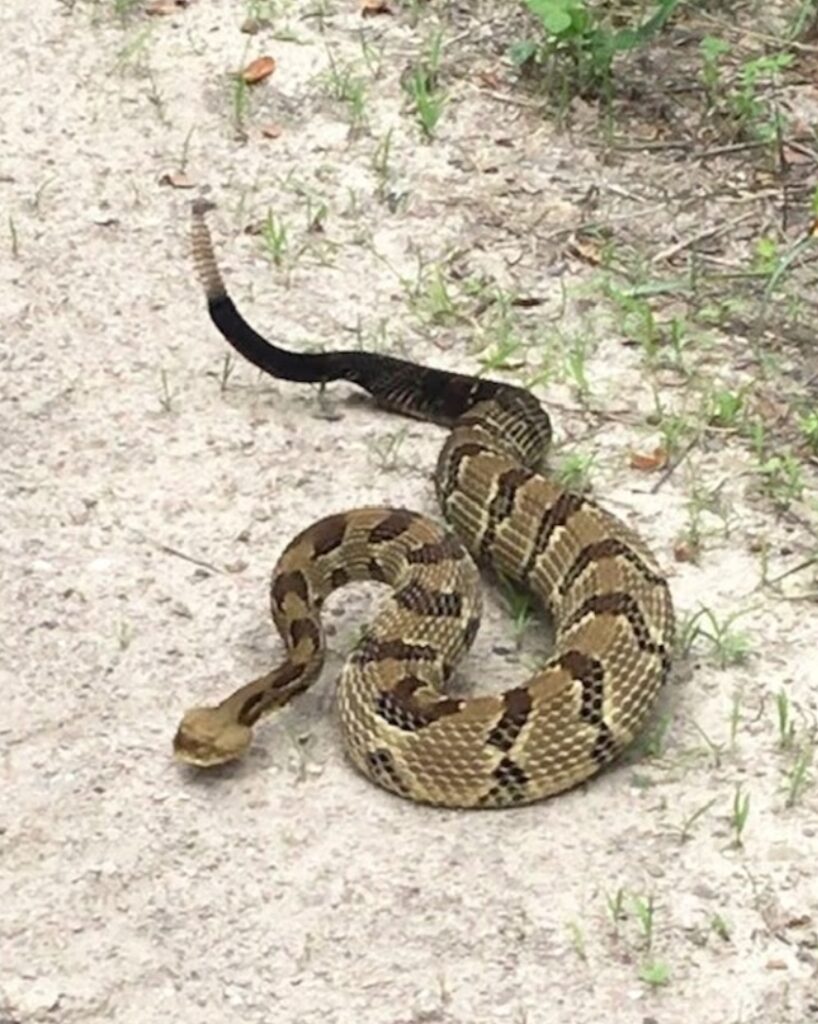
On August 8, 2025, a tragic incident unfolded in Tennessee’s beloved Savage Gulf State Park, located about 60 miles northwest of Chattanooga. A male hiker—whose identity remains confidential—was bitten on the hand by a timber rattlesnake, a venomous reptile revered for its potency but seldom causing human fatalities .
Witnesses say the man made a critical error: he picked up the snake while hiking just half a mile into the trail from the 55th Avenue trailhead in Gruetli-Laager .
Emergency Response and Passing
Emergency crews—including park rangers, EMS, and firefighters—rushed to the scene around 12:30 p.m. They performed CPR on the victim and transported him to a nearby hospital, where he later succumbed to his injuries .
Authorities suspect the cause of death may have been an allergic reaction to the snake’s venom, though official confirmation from medical examiners is still pending .
Timber Rattlesnake: Nature’s Hidden Danger
The timber rattlesnake, often found in wooded, rocky terrains, is the largest and most dangerous of the four venomous snakes native to Tennessee. Typically non-aggressive, it may remain still when approached—but can strike if provoked .
Less than 1 in 600 rattlesnake bites—including those from timber rattlesnakes—result in fatalities, especially when medical help is swiftly administered .
Learning from Tragedy: Safety Tips for Hikers
Grundy County EMA Director Matthew Griffith offered heartfelt condolences and urged hikers to adopt safety-first habits:
Avoid handling or approaching wildlife, especially snakes.
Remain calm and back away if you encounter a snake.
Carry first aid supplies when hiking.
If bitten, rid the area of rings or watches, wash and dress the wound, note the time of swelling, and seek immediate medical attention .
Echoing these precautions, the CDC advises treating all venomous snake bites as emergencies: avoid outdated methods such as suction, tourniquets, or ice, and instead focus on stabilization and getting prompt care .
A Sobering Reminder from Nature
This tragedy in Savage Gulf State Park serves as a potent reminder: even in serene, familiar landscapes, nature demands respect. Encounters with wildlife can turn deadly in an instant. Instead of instinct, let awareness guide your actions—monitor your surroundings, stay on trails, and admire wildlife from a safe distance.
May this community reflect and stay vigilant, so that no other outdoor adventure ends in sorrow.
Summary Snapshot
Key Detail Information
Location & Date Savage Gulf State Park, August 8, 2025 Victim Unidentified male hiker Snake Involved Timber rattlesnake (venomous) Cause of Death Bite to hand; possible allergic reaction Emergency Response CPR on-site; hospital transport Official Advice Don’t handle wildlife; carry first aid; seek immediate care if bitten
California, with its vast coastline stretching over 800 miles along the Pacific Ocean, is no stranger to natural disasters. While earthquakes often dominate the conversation, another silent but equally deadly threat looms offshore — tsunamis. A tsunami warning in California is a serious matter that demands public attention, preparedness, and a thorough understanding of the causes, risks, and necessary response strategies. This article explores in detail the science behind tsunamis, California’s vulnerability, recent tsunami warnings, and what residents and visitors should do in the event of a tsunami threat.
What is a Tsunami?
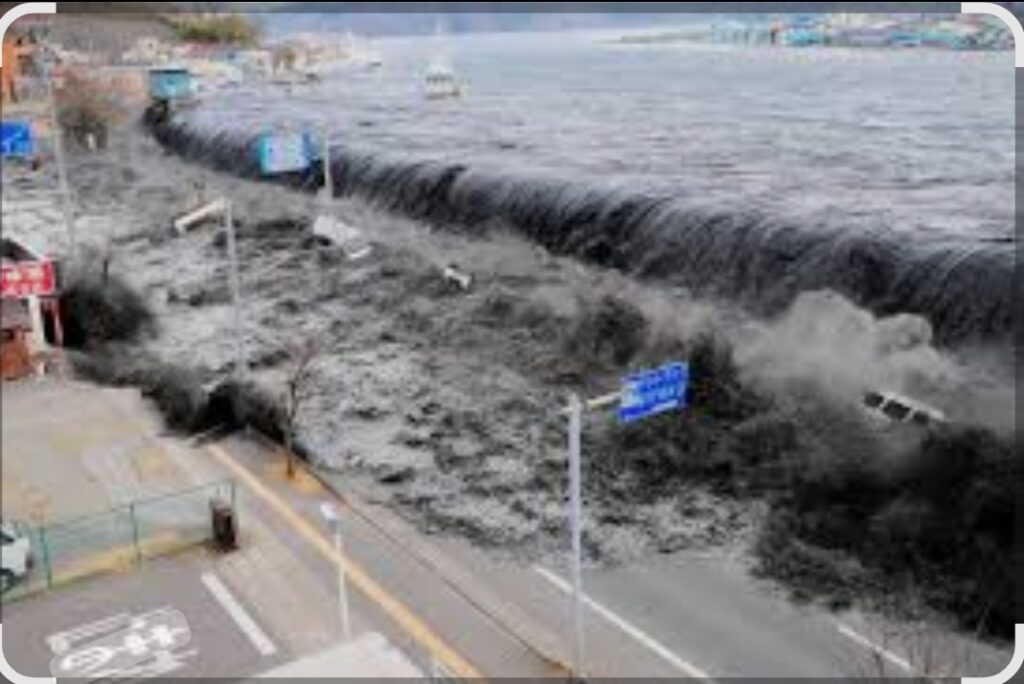
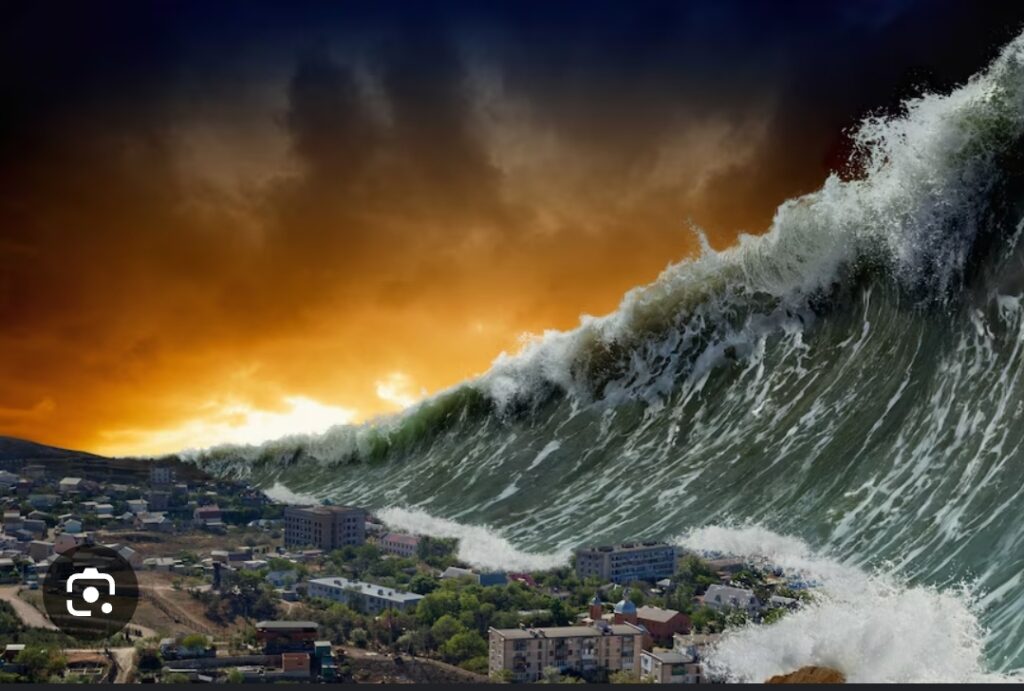
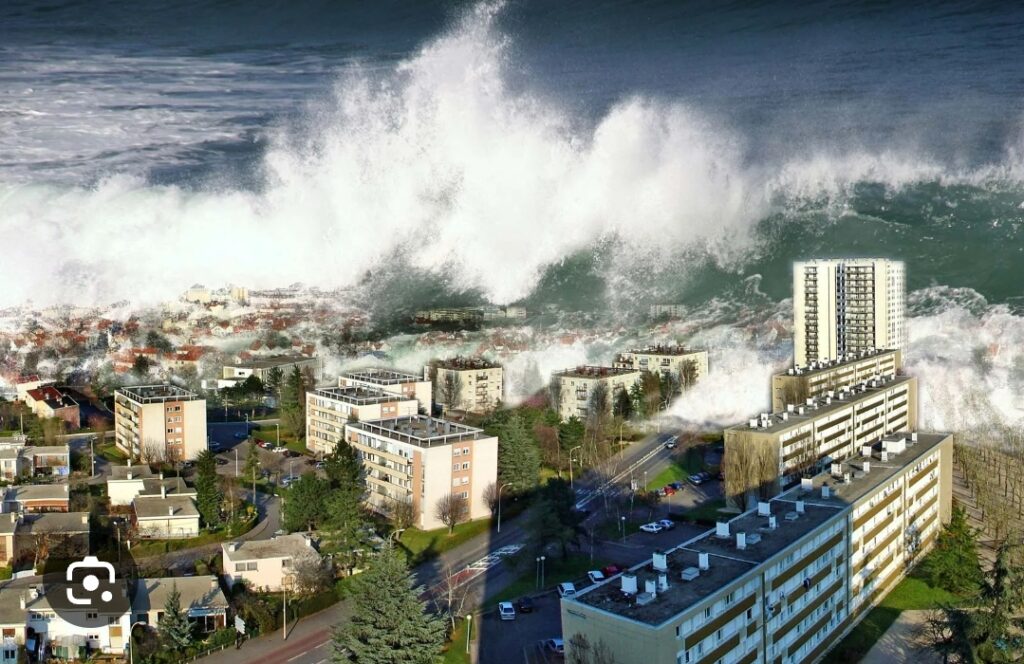
A tsunami is a series of large ocean waves usually caused by undersea earthquakes, volcanic eruptions, landslides, or meteorite impacts. When these events displace a large volume of water, waves travel across the ocean at speeds of up to 500–600 mph. As they approach the coast, the waves slow down and grow in height, sometimes reaching 30 feet or more, causing massive destruction upon landfall.
Why California is at Risk
California’s location on the Pacific Ring of Fire — a geologically active region — makes it especially vulnerable to both earthquakes and tsunamis. There are two primary tsunami threats to California:
Local Tsunamis: Caused by nearby faults or submarine landslides, these can reach the shore within minutes, offering little time for evacuation.
Distant Tsunamis: Generated by major quakes across the Pacific, such as those in Alaska, Japan, or Chile. These can take several hours to reach California, allowing for advanced warnings.
Recent Tsunami Warnings and Events in California
While destructive tsunamis are rare, there have been multiple events in California’s history:
2011 Japan Tsunami
Origin: Magnitude 9.0 earthquake in Japan.
Impact: Tsunami waves reached the California coast, damaging harbors in Crescent City and Santa Cruz. Losses exceeded $100 million.
2022 Tonga Volcanic Eruption
A massive underwater eruption caused a tsunami alert for the entire West Coast.
Waves up to 4 feet were reported along parts of California.
Coastal areas saw minor flooding and temporary evacuations.
Historical Event: 1964 Alaska Tsunami
Following a 9.2 magnitude earthquake, tsunami waves struck Crescent City.
12 people were killed in California, and significant damage was recorded.
These events reinforce the reality that California is not immune to tsunamis — even those generated thousands of miles away.
Tsunami Warning Systems in California
To mitigate risk, California has invested in an advanced tsunami detection and warning infrastructure:
DART (Deep-ocean Assessment and Reporting of Tsunamis) Buoys
These detect sudden changes in sea level caused by tsunamis in deep ocean waters.
Data is relayed to national monitoring centers.
National Tsunami Warning Center (NTWC)
Operated by NOAA, this center issues tsunami advisories, watches, and warnings for the U.S. West Coast.
California Tsunami Program
A state-level effort providing inundation maps, evacuation plans, public education, and coordination with local emergency services.
Emergency Alert Systems
Includes Wireless Emergency Alerts (WEA), NOAA Weather Radios, TV/radio announcements, and sirens in vulnerable coastal communities.
Types of Tsunami Alerts
Understanding alert types is crucial:
Tsunami Warning: A tsunami is imminent or already occurring. Urgent action required.
Tsunami Advisory: Potential for strong currents or waves. Stay off beaches and out of water.
Tsunami Watch: Possibility of a tsunami. Stay alert for updates.
Information Statement: No threat but issued to keep the public informed.
What to Do During a Tsunami Warning in California
Before a Tsunami
Know your evacuation zone: Use state or county tsunami maps to identify if you live or work in a hazard zone.
Sign up for alerts: Register for local emergency notifications.
Create an emergency kit: Include water, food, flashlight, batteries, first aid, and important documents.
Develop a family emergency plan: Practice routes and meeting points.
During a Tsunami Warning
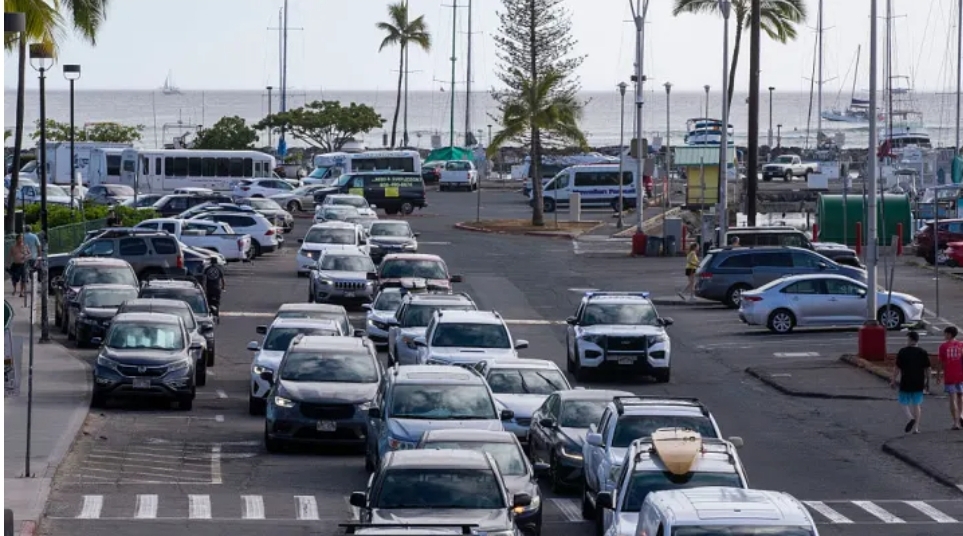
Evacuate immediately if in a danger zone.
Do not wait for official orders if you feel strong shaking (possible earthquake-triggered tsunami).
Head to higher ground or inland — at least 100 feet above sea level or two miles inland.
Stay away from beaches even if waves look small.
Do not return until officials declare it safe.
After a Tsunami
Be aware of multiple waves — the first may not be the largest.
Watch for hazards such as flooded roads, debris, or damaged infrastructure.
Listen to local authorities and do not enter damaged areas.
Tsunami Inundation Zones in California
The California Geological Survey has developed tsunami inundation maps for all coastal counties. Some high-risk areas include:
Crescent City (Del Norte County)
Eureka and Arcata (Humboldt County)
Santa Cruz
Santa Barbara
Los Angeles (especially San Pedro and Venice Beach)
Long Beach
Orange County Beaches
San Diego
Residents in these areas should be especially prepared and aware of evacuation routes.
Tsunami Preparedness Tips for Californians
Know the signs: Sudden ocean retreat, loud roaring sound, or ground shaking.
Participate in drills: “California Tsunami Preparedness Week” includes public education and drills.
Watch for multilingual alerts: Many communities offer warnings in English, Spanish, Tagalog, Chinese, and more.
Do not rely on sight alone: Tsunami waves are deceptive — fast and forceful, not towering Hollywood-style waves.
Educate children and tourists: Ensure everyone understands the risks and evacuation procedures.
The Role of Climate Change and Rising Sea Levels
While climate change does not directly cause tsunamis, it amplifies their effects:
Rising sea levels mean even small tsunami waves can cause more flooding.
Coastal erosion reduces natural defenses.
Warmer oceans may increase undersea landslide risks.
This makes California’s future tsunami planning even more urgent.
Conclusion
Tsunami warnings in California are not hypothetical — they are a real and recurring threat. Thanks to advanced monitoring, statewide preparedness programs, and public awareness efforts, Californians have a fighting chance to stay safe. However, preparation, education, and quick action remain the key to minimizing loss of life and damage.