Introduction
California, with its vast coastline stretching over 800 miles along the Pacific Ocean, is no stranger to natural disasters. While earthquakes often dominate the conversation, another silent but equally deadly threat looms offshore — tsunamis. A tsunami warning in California is a serious matter that demands public attention, preparedness, and a thorough understanding of the causes, risks, and necessary response strategies. This article explores in detail the science behind tsunamis, California’s vulnerability, recent tsunami warnings, and what residents and visitors should do in the event of a tsunami threat.
What is a Tsunami?
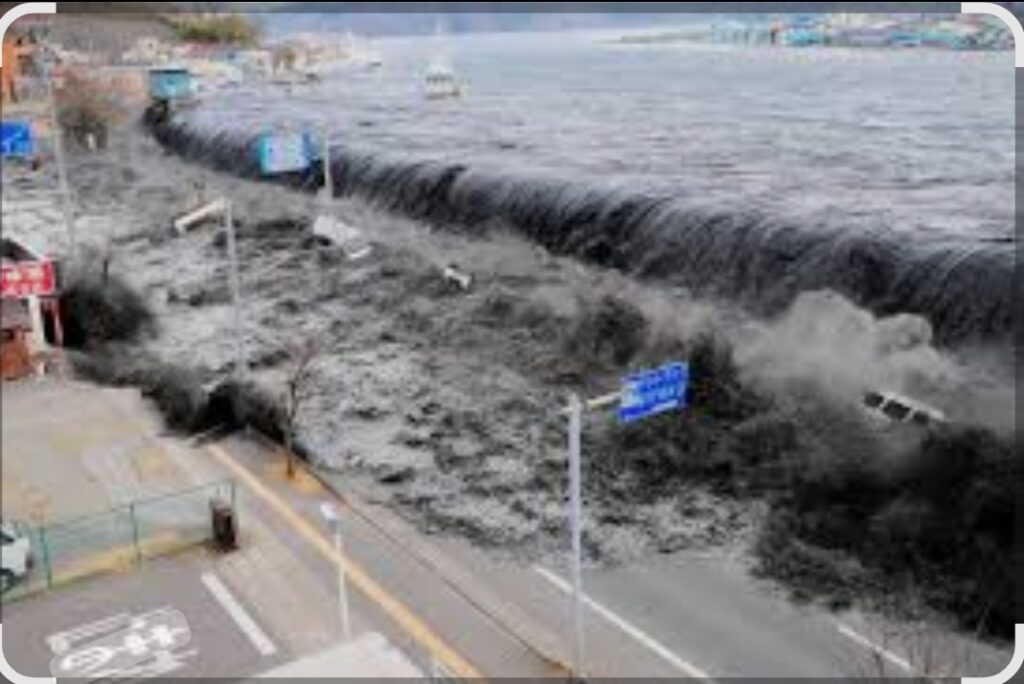
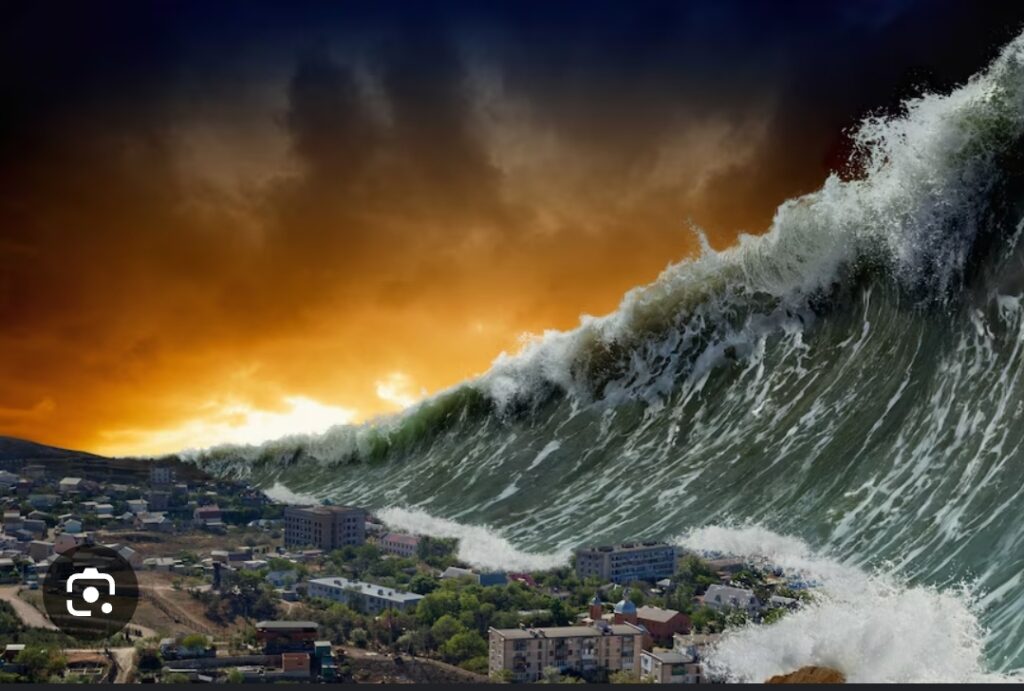
A tsunami is a series of large ocean waves usually caused by undersea earthquakes, volcanic eruptions, landslides, or meteorite impacts. When these events displace a large volume of water, waves travel across the ocean at speeds of up to 500–600 mph. As they approach the coast, the waves slow down and grow in height, sometimes reaching 30 feet or more, causing massive destruction upon landfall.
Why California is at Risk
California’s location on the Pacific Ring of Fire — a geologically active region — makes it especially vulnerable to both earthquakes and tsunamis. There are two primary tsunami threats to California:
- Local Tsunamis: Caused by nearby faults or submarine landslides, these can reach the shore within minutes, offering little time for evacuation.
- Distant Tsunamis: Generated by major quakes across the Pacific, such as those in Alaska, Japan, or Chile. These can take several hours to reach California, allowing for advanced warnings.
Recent Tsunami Warnings and Events in California
While destructive tsunamis are rare, there have been multiple events in California’s history:
- 2011 Japan Tsunami
Origin: Magnitude 9.0 earthquake in Japan.
Impact: Tsunami waves reached the California coast, damaging harbors in Crescent City and Santa Cruz. Losses exceeded $100 million.
- 2022 Tonga Volcanic Eruption
A massive underwater eruption caused a tsunami alert for the entire West Coast.
Waves up to 4 feet were reported along parts of California.
Coastal areas saw minor flooding and temporary evacuations.
- Historical Event: 1964 Alaska Tsunami
Following a 9.2 magnitude earthquake, tsunami waves struck Crescent City.
12 people were killed in California, and significant damage was recorded.
These events reinforce the reality that California is not immune to tsunamis — even those generated thousands of miles away.
Tsunami Warning Systems in California
To mitigate risk, California has invested in an advanced tsunami detection and warning infrastructure:
- DART (Deep-ocean Assessment and Reporting of Tsunamis) Buoys
These detect sudden changes in sea level caused by tsunamis in deep ocean waters.
Data is relayed to national monitoring centers.
- National Tsunami Warning Center (NTWC)
Operated by NOAA, this center issues tsunami advisories, watches, and warnings for the U.S. West Coast.
- California Tsunami Program
A state-level effort providing inundation maps, evacuation plans, public education, and coordination with local emergency services.
- Emergency Alert Systems
Includes Wireless Emergency Alerts (WEA), NOAA Weather Radios, TV/radio announcements, and sirens in vulnerable coastal communities.
Types of Tsunami Alerts
Understanding alert types is crucial:
Tsunami Warning: A tsunami is imminent or already occurring. Urgent action required.
Tsunami Advisory: Potential for strong currents or waves. Stay off beaches and out of water.
Tsunami Watch: Possibility of a tsunami. Stay alert for updates.
Information Statement: No threat but issued to keep the public informed.
What to Do During a Tsunami Warning in California
Before a Tsunami
Know your evacuation zone: Use state or county tsunami maps to identify if you live or work in a hazard zone.
Sign up for alerts: Register for local emergency notifications.
Create an emergency kit: Include water, food, flashlight, batteries, first aid, and important documents.
Develop a family emergency plan: Practice routes and meeting points.
During a Tsunami Warning
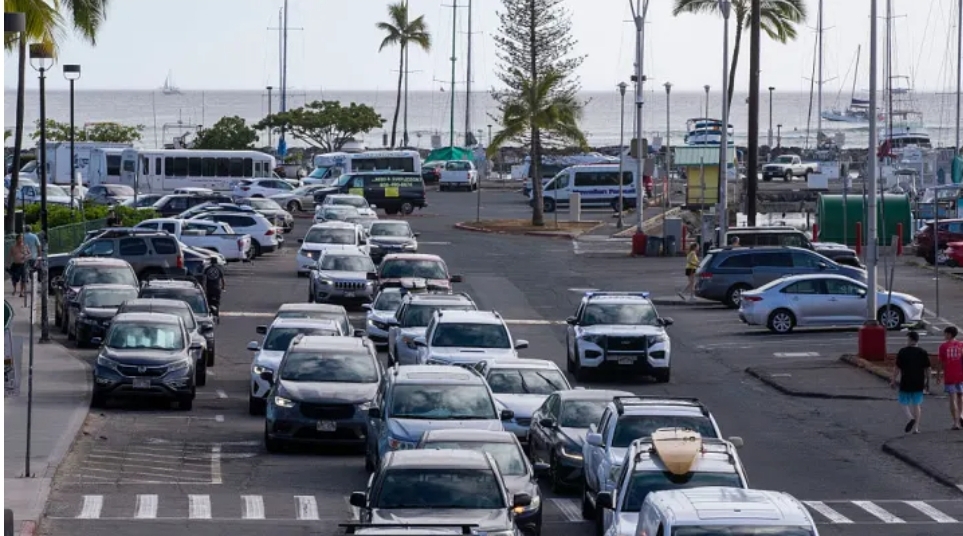
Evacuate immediately if in a danger zone.
Do not wait for official orders if you feel strong shaking (possible earthquake-triggered tsunami).
Head to higher ground or inland — at least 100 feet above sea level or two miles inland.
Stay away from beaches even if waves look small.
Do not return until officials declare it safe.
After a Tsunami
Be aware of multiple waves — the first may not be the largest.
Watch for hazards such as flooded roads, debris, or damaged infrastructure.
Listen to local authorities and do not enter damaged areas.
Tsunami Inundation Zones in California
The California Geological Survey has developed tsunami inundation maps for all coastal counties. Some high-risk areas include:
Crescent City (Del Norte County)
Eureka and Arcata (Humboldt County)
Santa Cruz
Santa Barbara
Los Angeles (especially San Pedro and Venice Beach)
Long Beach
Orange County Beaches
San Diego
Residents in these areas should be especially prepared and aware of evacuation routes.
Tsunami Preparedness Tips for Californians
- Know the signs: Sudden ocean retreat, loud roaring sound, or ground shaking.
- Participate in drills: “California Tsunami Preparedness Week” includes public education and drills.
- Watch for multilingual alerts: Many communities offer warnings in English, Spanish, Tagalog, Chinese, and more.
- Do not rely on sight alone: Tsunami waves are deceptive — fast and forceful, not towering Hollywood-style waves.
- Educate children and tourists: Ensure everyone understands the risks and evacuation procedures.
The Role of Climate Change and Rising Sea Levels
While climate change does not directly cause tsunamis, it amplifies their effects:
Rising sea levels mean even small tsunami waves can cause more flooding.
Coastal erosion reduces natural defenses.
Warmer oceans may increase undersea landslide risks.
This makes California’s future tsunami planning even more urgent.
Conclusion
Tsunami warnings in California are not hypothetical — they are a real and recurring threat. Thanks to advanced monitoring, statewide preparedness programs, and public awareness efforts, Californians have a fighting chance to stay safe. However, preparation, education, and quick action remain the key to minimizing loss of life and damage.
Leave a Reply